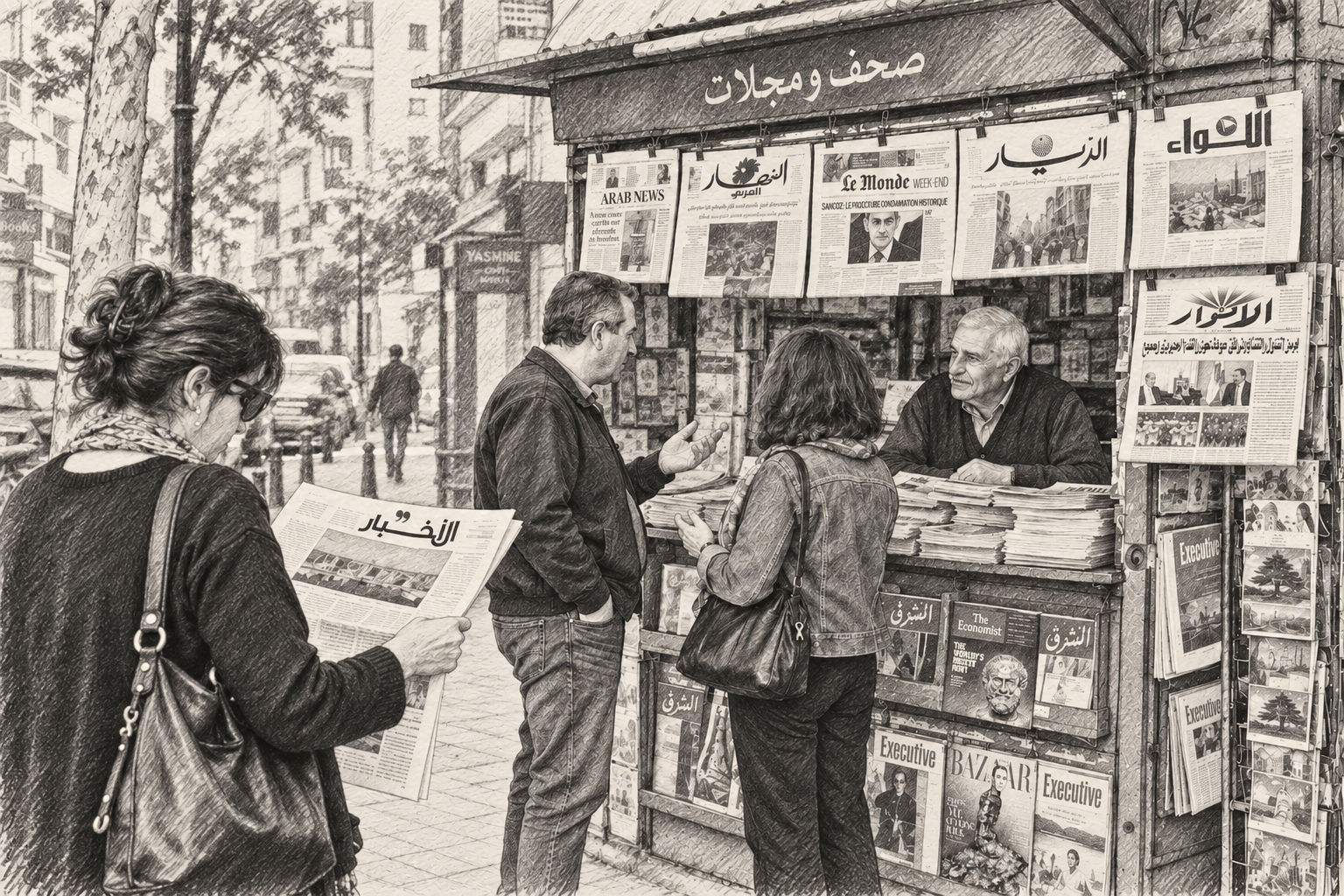
In much of the Arab world, criticising the government is a good way to end up in prison. Lebanon is a rare exception. Its public debate is noisy, quarrelsome and, by regional standards, free. Reporters Without Borders ranks it 115th of 180 countries for press freedom in 2026, a "difficult" rating, but up 17 places in a year and third in the Middle East and North Africa. That freedom has survived sectarian polarisation and repeated wars, and may even owe something to them.
The roots of that freedom lie in the Nahda, the Arab literary and cultural revival of the late 19th century. Independent journalism took hold in port cities such as Beirut and Alexandria, which looked west as much as inland. Trade with Europe, the spread of Arabic printing and a ferment of new ideas gave them a pluralism that the more conservative, more tightly policed interior lacked.
Among those they shaped were Salim and Bishara Taqla, brothers from Kfarshima, a Christian village near Beirut whose educated, liberal-minded residents had a deep affinity for the West. Their ambitions collided with Ottoman repression and a glass ceiling, so they left for Alexandria, Egypt. They were not alone. Christian and Muslim writers and thinkers from what are now Syria and Lebanon flocked to the “Mother of the World”, drawn by the autonomy and modernising bent of Khedive Ismail Pasha. The newcomers built a web of newspapers, periodicals and printing houses that made Egypt the region's publishing capital. In 1875 the Taqlas secured permission to establish Al-Ahram ("The Pyramids"). Its first issue appeared in Alexandria the following August as a privately owned weekly; in 1881 it became a daily and eventually one of the Arab world's most influential newspapers.
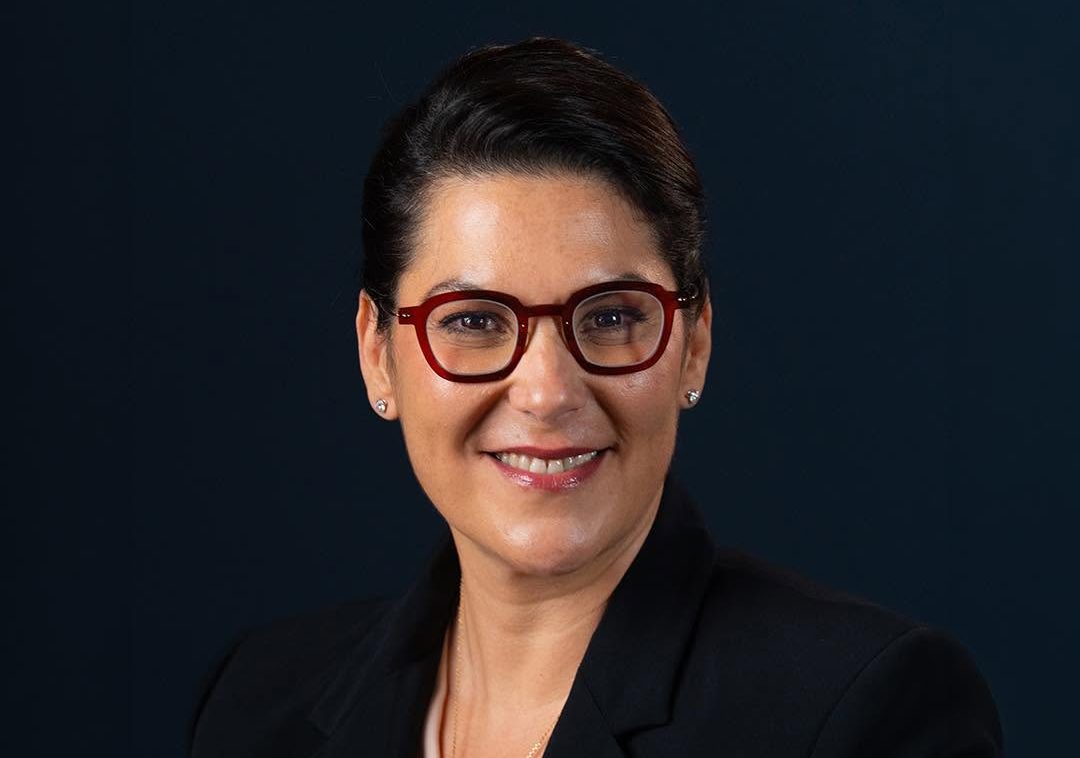
The lesson of the Taqlas was that Lebanese ideas flourished best when they had a port to ship from and a tolerant place to land. Their heirs now work in podcast studios and on TikTok rather than in print shops. Take Sabine Youssef. A journalist at Radio Free Lebanon who presents political programmes and hosts a political podcast, "Poli Cast", she is known for her blistering attacks on Hezbollah and Iranian influence. She styles herself a "proud, native daughter of southern Lebanon" and has tens of thousands of followers on each of X, Facebook and TikTok. She uses her platform to publicise the plight of southerners driven from their homes by the past few years of war, which she blames on Iran's domination of Lebanon through its Hezbollah proxy. Her willingness to break taboos has made her one of the sharpest voices against the powerful non-state actor.
On the other side, pro-Hezbollah influencers who identify with Iran's "Axis of Resistance", such as journalist Hussein Mortada, defend the group's arsenal and portray it as Lebanon's shield against Israeli aggression. In a country with an ineffective government and a war-ravaged history, the fight over who gets to tell the national story is waged with podcasts and short videos as much as with weapons.
Lebanon's legal system provides another arena for these disputes. Politicians, activists and journalists routinely answer accusations with complaints of defamation, insult or incitement. In a country where political disputes have often spilled into violence, the courtroom can at least offer a bloodless battleground. But the courts are far from neutral. Human Rights Watch and local groups have criticised their opacity and arbitrariness, in particular the military courts’ jurisdiction over civilians.
Ms Youssef's case shows both sides. On 17 March eight lawyers, whom she calls Hezbollah partisans, filed a complaint with the military prosecution over a video in which she quipped that Hezbollah members could buy their freedom for the price of a gas cylinder. They alleged contempt of the judiciary, defamation, sectarian incitement and incitement to bear arms. In April she was summoned to the military court in Rihaniyeh, though press-freedom advocates say journalists belong before the publications court. The court's critics, who regard it as susceptible to Hezbollah's influence, point to an earlier ruling in which three Hezbollah members caught with unlicensed weapons were fined 900,000 Lebanese pounds ($10) each and spared prison, a far lighter sentence than usual.
Part of the reason such criticism is possible is that Hezbollah has rarely looked weaker. Its decision in October 2023 to open a "support front" for Gaza cost it most of its military infrastructure in the south, thousands of fighters and much of its leadership, including Hassan Nasrallah, its charismatic long-time leader. Its entry into Iran's war this March, to avenge the killing of Supreme Leader Ali Khamenei, brought a second mauling, and Israel now controls even more Lebanese territory. Lebanon's government has made a state monopoly on arms an official aim. Iran, the group’s long-time backer, at war with the United States and Israel and under sanctions, sent the group about $1 billion in the first ten months of 2025, according to the US Treasury Department, but moving money and weapons into Lebanon has become more difficult. The fall of Bashar al-Assad in December 2024 cut the land route through Syria, whose new rulers distrust Hezbollah. Iraq's government, under American pressure, is trying to disarm or rein in its own Iran-backed militias.
The war has strained Hezbollah's longstanding bargain with its constituency: political loyalty in exchange for protection, patronage and social support. The group now struggles to deliver much of any of it, and some displaced supporters complain that the assistance they receive is meagre. Naim Qassem, who succeeded Nasrallah in late 2024, is widely regarded as lacking his predecessor's charisma and authority. Criticism once far harder to voice is increasingly heard openly from individuals who feel they have paid for a war fought on Iran's behalf.
The ruin in the south has also made the slogan of "resistance" (muqawama) harder to sell. That has widened the room for critics such as Ms Youssef and carried arguments once heard mainly from Hezbollah's long-standing opponents into the Shia community itself. Her freedom is an old Lebanese habit, amplified by new platforms. The Taqla brothers needed a printing press and a sympathetic port. Ms Youssef needs only a microphone and a social-media account. What she cannot take for granted is an impartial court. For a country long prided for its journalistic freedoms, Lebanon still has a way to go.
Comments
JOIN THE DISCUSSION.