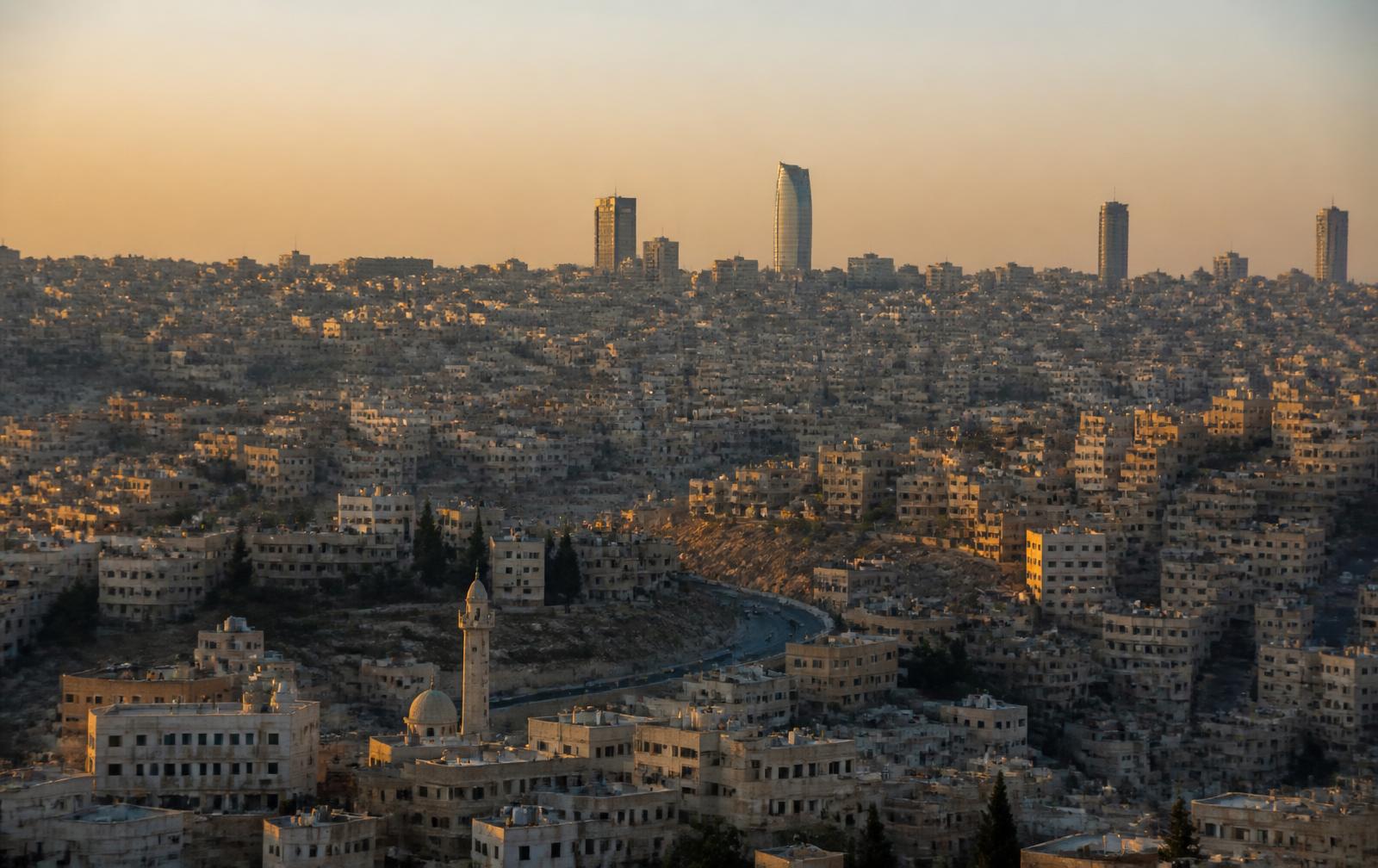
Across the Middle East and North Africa, established assumptions are being tested by a faster, more fragmented international order. Governments are balancing old partnerships against new economic and strategic openings.
This is not simply a contest between great powers. Regional states have greater agency than they did a generation ago, and they are using it to diversify trade, security ties, technology partnerships, and diplomatic channels.
The result is a landscape shaped less by fixed blocs than by overlapping interests. Understanding it requires attention to domestic pressures, public expectations, and the practical limits of every partnership.
For policymakers and citizens alike, the central question is no longer which camp the region will join. It is how its societies can convert a wider range of relationships into lasting stability and shared prosperity.
Comments
Join the discussion. No account needed.